Daytime Running Lights (DRL) vs. High Beams vs. Low Beams
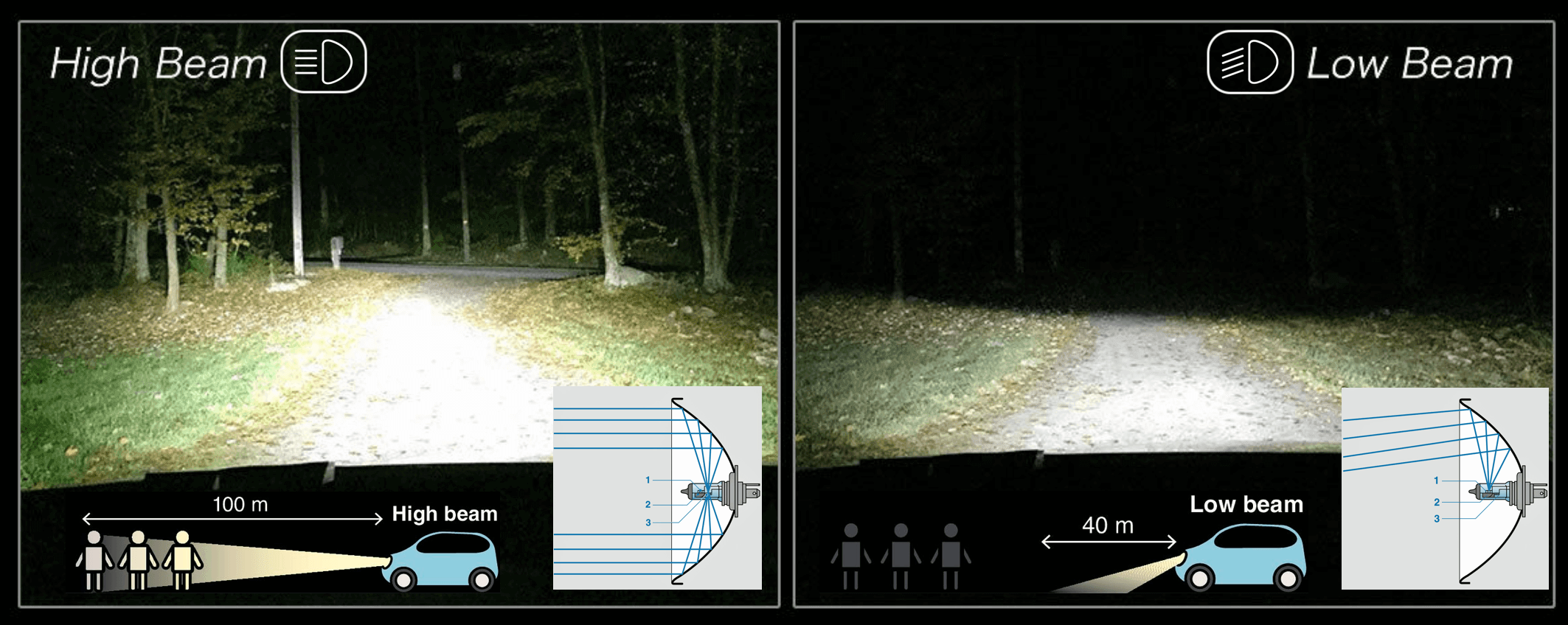
Daytime Running Lights (DRL) vs. High Beams vs. Low Beams
When upgrading your vehicle's lighting system, understanding the differences between various types of lights is essential. LED technology has revolutionized automotive lighting, offering increased brightness, efficiency, and durability. In this article, we'll explore the key distinctions between Daytime Running Lights (DRL), High Beams, and Low Beams to help you make an informed decision when choosing the right LED lights for your car.
1. Daytime Running Lights (DRL)
Purpose: Daytime Running Lights are designed to make your vehicle more visible to other drivers during the day. They automatically turn on when you start the engine and are usually located at the front of the car. While DRLs don’t provide significant illumination for the road, they enhance safety by improving the visibility of your vehicle to others in various lighting conditions, including foggy or overcast weather.
Benefits of LED DRLs:
Energy-efficient: LEDs consume less power compared to traditional halogen lights, meaning they won’t drain your car’s battery.
Stylish appearance: Many drivers choose LED DRLs for their sleek and modern look.
Durability: LEDs have a much longer lifespan, making them a reliable choice for DRLs.
2. High Beams
Purpose: High beams, also known as "full beams," are used to provide maximum road illumination in situations where visibility is poor, such as on dark, unlit roads. They are typically used at night or in rural areas where there are no other vehicles nearby.
When to Use High Beams:
On highways with minimal lighting.
In rural areas or country roads.
During night-time driving when visibility is low.
Benefits of LED High Beams:
Brighter illumination: LED high beams are significantly brighter than traditional halogen bulbs, ensuring you can see further ahead.
Instant light-up: Unlike halogen lights, LEDs turn on instantly without any warm-up time.
Energy-saving: Like DRLs, LED high beams use less power, helping to reduce fuel consumption.
3. Low Beams
Purpose: Low beams (or dipped beams) are used for everyday driving in conditions where you need moderate illumination. They are the most commonly used lights at night or during poor weather conditions such as rain or fog. Unlike high beams, low beams are angled downwards to avoid blinding oncoming traffic, making them safer for urban and highway driving.
When to Use Low Beams:
Night-time driving in well-lit urban areas.
In fog, rain, or snow.
When there is traffic coming from the opposite direction.
Benefits of LED Low Beams:
Reduced glare: LED low beams provide excellent lighting without blinding other drivers.
Even light distribution: LEDs offer a uniform spread of light, which improves visibility and safety.
Long-lasting: LED lights last longer than traditional lights, reducing the need for frequent replacements.
Choosing the Right LED Car Lights
Now that you understand the differences between DRLs, high beams, and low beams, the next step is choosing the right LED lights for your vehicle. Whether you're looking for brighter headlights, more energy-efficient DRLs, or stylish upgrades, FOKE LED has you covered.
At FOKE, we specialize in premium LED automotive lighting that combines performance, efficiency, and durability. Our LED lights are designed to enhance your driving experience with superior brightness, long-lasting quality, and sleek designs. Explore our full range of LED products for every part of your vehicle at www.foke-led.com.
Upgrade your car lighting today with FOKE LED and experience the difference!
Why Do LED Car Headlights Feature Cut-off Lines for Both High and Low Beams?
Upgrading Your Ride with LED Headlights
Related Article