Understanding the Differences Between High Beam and Low Beam LED Headlights
Understanding the Differences Between High Beam and Low Beam LED Headlights
When it comes to vehicle lighting, one of the most important upgrades you can make is switching to LED headlights. The advantages of LED headlights—such as greater energy efficiency, longer lifespan, and improved visibility—have made them a popular choice among car owners. However, understanding the distinction between high beam and low beam LED headlights, as well as their unique light patterns and applications, is essential for making the most of this upgrade.
What Are Low Beam LED Headlights?
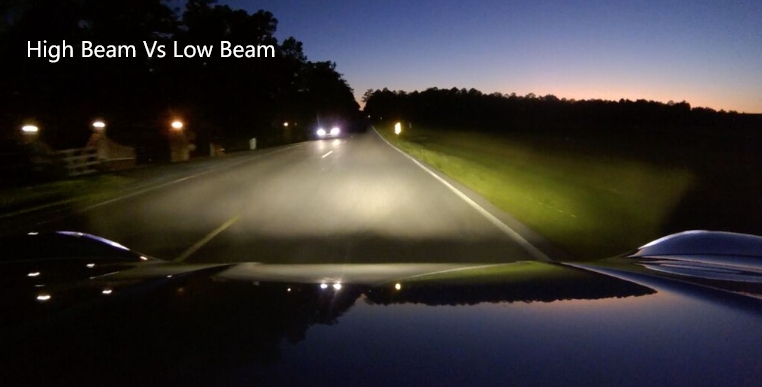
Low beam LED headlights are designed for everyday driving and provide a wide, focused beam that illuminates the road directly in front of the vehicle. These lights are angled downward to avoid blinding oncoming traffic, making them perfect for urban areas, busy streets, and situations where you're driving close to other vehicles.
The light pattern for low beams is more concentrated on the road, illuminating a shorter distance. This makes them ideal for driving at lower speeds, where you need clear visibility close to your vehicle. They’re especially useful in conditions such as fog, rain, or snow when too much brightness could create glare or reduce visibility.
What Are High Beam LED Headlights?
High beam LED headlights, on the other hand, are designed to provide maximum visibility in low-traffic or dark road conditions, such as rural areas, highways, or unlit roads. The beam is directed straight ahead and is much brighter, covering a longer distance than low beams.
The light pattern for high beams is broader and reaches further down the road, allowing you to see potential obstacles or hazards at greater distances. However, because of the intense brightness, it's important to switch back to low beams when approaching oncoming vehicles to prevent blinding other drivers.
Key Differences in Light Patterns
Low Beams: Shorter range, focused beam, angled downward, ideal for everyday driving and crowded roads.
High Beams: Longer range, wide and straight beam, best suited for dark or rural areas with little to no traffic.
When to Use High and Low Beam LED Headlights
Use Low Beams:
In city driving or well-lit streets
In heavy traffic
During bad weather conditions such as fog or rain
When another vehicle is approaching
Use High Beams:
On unlit country roads or highways
When no other vehicles are around
To improve visibility in dark areas
By understanding these distinctions, you can optimize your driving experience and safety, ensuring you have the right lighting for any situation.
Upgrade to FOKE LED Headlights for Superior Lighting Performance
When it comes to high-quality automotive lighting solutions, FOKE LED headlights are the ultimate choice. FOKE LED headlights are designed with advanced technology, offering both high beam and low beam options in a single product. Their superior brightness, energy efficiency, and long lifespan make them the perfect upgrade for your vehicle.
With FOKE LED headlights, you’ll enjoy:
Enhanced Visibility: Bright, crisp light that illuminates the road far ahead, increasing safety during nighttime driving.
Efficient Power Use: Save on battery power with FOKE's energy-efficient LED technology.
Longer Lifespan: FOKE headlights last significantly longer than traditional halogen bulbs, reducing the need for frequent replacements.
Whether you're driving through the city or down a dark rural road, FOKE LED headlights provide reliable and powerful lighting that ensures safety and comfort. Upgrade to FOKE today and experience the future of automotive lighting.
Exploring the Types of Plugs for LED Work Lights: Unlocking Versatility and Efficiency
Differences Between LED Signal Lights and LED Driving Lights
Related Article