Wiring Harness Selection Guide: Cable Length, Gauge, and Heat Resistance Explained
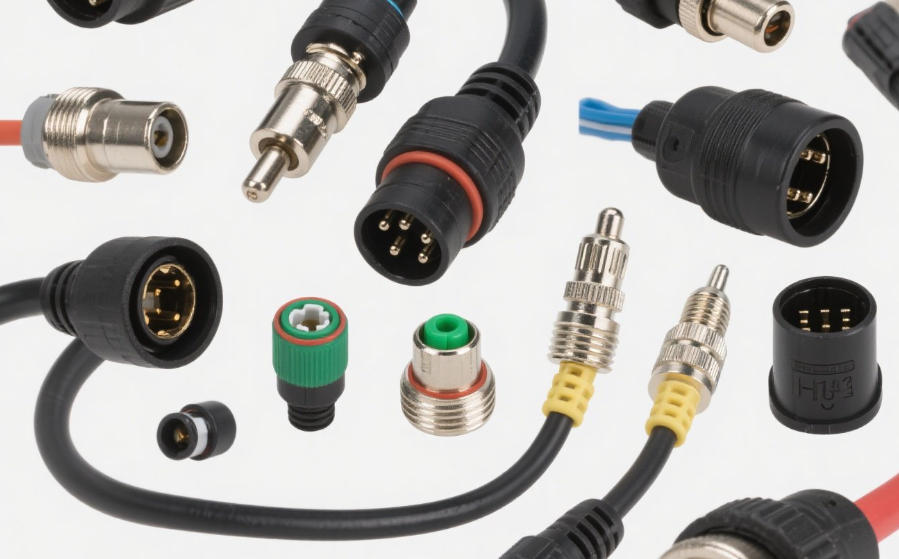
Wiring Harness Selection Guide: Cable Length, Gauge, and Heat Resistance Explained
When upgrading your vehicle with powerful LED driving lights, LED work lights, or LED tractor lights, there’s one detail many people overlook—the wiring harness. It may not be as exciting as the lights themselves, but a poor harness choice can lead to voltage drops, overheating, or worse—total failure.
At FOKE Lighting, we believe that performance isn’t just about lumens—it’s also about reliability. That’s why we offer lighting solutions built with high-quality harnesses and connectors that keep your LED auto lights running strong, even in the toughest environments. But how do you know which wiring harness is right for your setup?
Let’s break it down: cable length, wire gauge, and heat resistance—three factors that matter more than you might think.
1. Cable Length: Longer Isn’t Always Better
It’s tempting to choose the longest cable “just in case,” but that can cause problems. The longer your wiring, the more resistance it introduces—especially with high-power LED work lights or LED tractor lights that draw serious current.
Tip from FOKE:
Measure your required length carefully, then add just a bit of slack for flexibility. Keep it neat and efficient. Excess length doesn’t just waste power—it can clutter your engine bay and increase risk of wear or abrasion.
2. Wire Gauge: Bigger = Better (Usually)
The gauge refers to the wire’s thickness. Lower numbers mean thicker wires that can carry more current safely. For example, a 14 AWG wire might handle your LED driving lights, but high-powered LED auto lights or dual-light systems may require 12 AWG or even 10 AWG.
Here’s a quick guide:
14 AWG – Suitable for single, low-wattage LED lights.
12 AWG – Ideal for mid-range LED work lights.
10 AWG – Best for high-output setups like dual LED tractor lights or combo bars.
FOKE Lighting’s harnesses are engineered with the correct gauge for each light model we offer—no guesswork needed.
3. Heat Resistance: Critical for Long-Term Reliability
When lights are running for hours—whether it’s on a farm vehicle at night or a work truck during the day—heat becomes a major factor. Cheap harnesses may melt or crack under sustained load, especially near engine bays or in summer heat.
That’s why we at FOKE use high-temperature rated insulation in our harnesses, designed to withstand the heat and harsh environments our products face. Whether it's a scorching job site or a dusty backroad, our cables stay cool under pressure.
Why It All Matters
Choosing the right wiring harness isn't just a technical detail—it’s the backbone of your lighting system. Even the best LED driving lights won’t perform properly if the wiring can’t handle the load.
At FOKE Lighting (visit us at www.foke-led.com), we don’t just supply lights—we supply complete systems. That means connectors, harnesses, and accessories designed to match the exact needs of our LED auto lights, work lights, and tractor lights.
How to Choose DOT-Compliant LED Turn Signals for Trucks
The Rising Trend of Bluetooth/Wi-Fi LED Driving Lights
Related Article