Waterproofing Vehicle LED Signal Lights: IP67 vs. IP69K for Agricultural Equipment
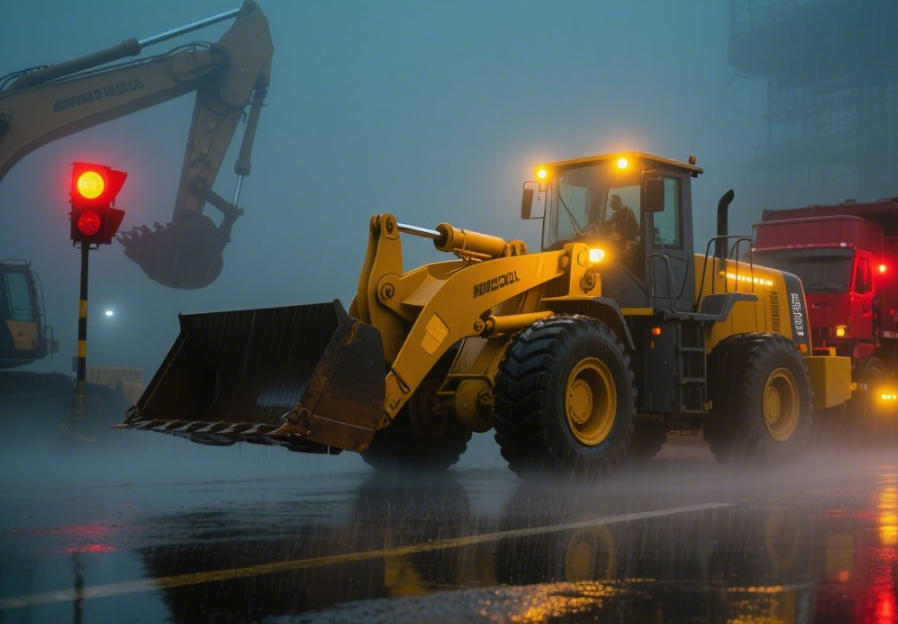
Waterproofing Vehicle LED Signal Lights: IP67 vs. IP69K for Agricultural Equipment
When it comes to agricultural equipment, durability and reliability are as essential as the crops we harvest. After all, farming isn't just about sunshine and rainbows; it's about braving the elements and ensuring that your machinery can withstand whatever Mother Nature throws at it. This is where the importance of waterproofing vehicle LED signal lights comes into play. At FOKE lighting, we understand the unique challenges faced by agricultural equipment, and that's why we offer top-notch waterproof LED signal lights that are designed to keep your vehicles visible and safe, no matter the conditions.
The Power of Waterproofing
Imagine this: you're in the middle of a busy harvest season, and suddenly, a downpour hits. Your tractor is chugging along, but you can barely see anything through the rain. That's where waterproof LED signal lights come to the rescue. These lights are not just any ordinary lights; they are built to withstand water, dust, and even the occasional mud splash. With waterproofing, your lights stay bright and functional, ensuring that you can see and be seen, even in the most challenging weather conditions.
IP67 vs. IP69K: What's the Difference?
Now, let's dive into the nitty-gritty. When it comes to waterproofing, you'll often hear the terms IP67 and IP69K. But what do these numbers mean, and which one is better for your agricultural equipment?
IP67: The Workhorse
IP67-rated lights are designed to be dust-tight and protected against the ingress of water when submerged up to 1 meter for 30 minutes. This makes them perfect for everyday agricultural use. Whether you're driving your tractor through a dusty field or working in light rain, IP67 lights will keep shining bright. They are reliable and robust, ensuring that your amber warning lights and vehicle strobe lights remain visible, no matter the conditions.
IP69K: The Heavyweight Champion
On the other hand, IP69K-rated lights are built to withstand even more extreme conditions. These lights are designed to be protected against high-pressure water jets from any direction. This means they can handle heavy downpours, mud baths, and even the occasional hose-down. If you're working in particularly harsh environments, such as during a monsoon or in a muddy field, IP69K lights are the way to go. They ensure that your amber lights for trucks and John Deere warning lights remain functional and visible, no matter how wet and wild it gets.
Why Choose FOKE Lighting?
At FOKE lighting, we pride ourselves on offering a wide range of waterproof LED signal lights that cater to every need. Whether you're looking for IP67 or IP69K-rated lights, we've got you covered. Our lights are not only waterproof but also built with high-quality materials to ensure durability and longevity. Plus, our amber light LED technology ensures that your warning lights are visible from a great distance, providing maximum safety and visibility.
Making the Right Choice
Choosing between IP67 and IP69K lights ultimately depends on your specific needs. If you're working in relatively mild conditions, IP67 lights will serve you well. However, if you find yourself frequently battling heavy rain, mud, or high-pressure water jets, IP69K lights are the better option. At FOKE lighting, we offer both options, so you can choose the perfect lights for your agricultural equipment.
Conclusion
Waterproofing your vehicle LED signal lights is not just a luxury; it's a necessity. Whether you're driving a tractor, a combine harvester, or any other agricultural equipment, having reliable and durable lights can make all the difference. At FOKE lighting (www.foke-led.com), we offer a wide range of waterproof LED signal lights that are designed to keep you safe and visible, no matter the weather. So, whether you choose IP67 or IP69K, rest assured that your lights will stand the test of time. Happy farming, and stay safe out there!
How FOKE Lighting Tackles Durability Challenges in Harsh Environments
A Guide to Color Temperature and Beam Angle
Related Article