
Top Tips for Installing LED Lights on Tractors and Off‑Road Vehicles
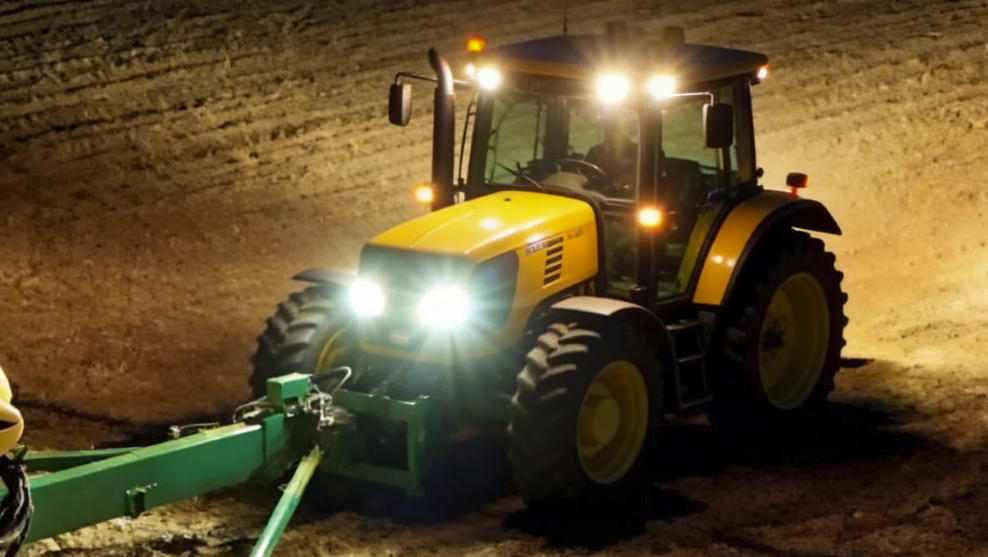
Top Tips for Installing LED Lights on Tractors and Off‑Road Vehicles
Bright ideas for better visibility — without the guesswork
Whether you’re prepping a tractor for early morning fieldwork or upgrading a 4x4 for weekend off‑road adventures, installing LED lights can make a huge difference in visibility and safety. But getting the installation right matters — both for performance and for long‑term reliability.
At FOKE‑LED (www.foke‑led.com
), we’ve seen many lighting upgrades over the years, and we’ve gathered some tried‑and‑true tips to help your installation go smoothly. Let’s walk through practical advice that works whether you’re working with tractor LED lights, off‑road LED lights, or auto LED lights on tough terrain.
1. Start with the Right Hardware
Before you pick up a drill, make sure you’ve chosen the right LED products for the job. Quality matters:
Look for waterproof LED lights with high ratings like IP68 and even IP69K, so they stand up to mud, rain, and wash‑downs.
Durable housings made from high‑density aluminum material help with heat dissipation and long life when you’re out in harsh conditions.
Models built with EMC Class 4 design won’t interfere with onboard electronics, which is especially important on modern tractors and vehicles with GPS or radios.
Our products also carry full certifications such as E‑MARK, CE, and RoHS, and are manufactured in an IATF16949 certified factory — a mark of quality you can count on.
2. Plan Your Mounting Before You Drill
A common mistake is drilling holes without thinking about beam pattern or wiring.
Here’s a quick plan to follow:
✔ Measure first: Hold your chosen LED light — whether it’s a tractor headlight, a 4x4 light, or a set of auxiliary pods — in place and check sightlines before drilling. This simple step avoids misaligned beams later.
✔ Symmetry counts: Mount lights evenly on both sides of your tractor or off‑road rig so that illumination is balanced.
✔ Height matters: Lights mounted slightly above bumper level often provide better forward reach, while lower positions help illuminate work areas directly in front of implements.
Curious about wiring specifics? Most tractors and off‑road vehicles accept wide DC voltage ranges (often 9–32V), which simplifies compatibility.
totronled.com
3. Secure Wiring Before Powering Up
Good mounting is only half the job — wiring needs to be just as robust:
�� Disconnect the battery first. Always unplug the battery before working on electrical systems to avoid shorts or sparks.
dualvisionled.com
�� Use quality connectors like weatherproof crimp connectors and sealed terminals to guard against moisture and corrosion.
bliauto.com
�� Route wires carefully — keep them away from moving parts, sharp edges, or hot engine surfaces. Secure them with zip ties or clips for lasting reliability.
Proper wiring prevents loose connections, reduces voltage drop, and ensures your waterproof LED lights perform at their best over time.
4. Choose the Right Switch and Relay Setup
Installing a dedicated relay and a rugged switch makes your lighting system easy to use and reduces electrical strain:
A relay helps manage power to multiple LED lights without overloading the switch.
Place the switch in a convenient cab location so you can operate lights safely while on the move.
This is especially useful if you plan to use off‑road LED lights or tractor work lights frequently, giving you reliability and convenience without complicated wiring.
5. Take Time to Aim and Test
After you’ve mounted and wired your lights, don’t skip testing:
�� Turn them on and check the beam coverage in a dark space before hitting the field or trail.
�� Adjust angles so that light focuses where you need it most — forward for open runs or down toward the ground for work areas.
Poor aim can reduce visibility or cause glare for others on the trail — something every responsible vehicle owner wants to avoid.
6. Maintain for Longevity
A solid installation today pays off tomorrow when you keep it maintained:
�� Regularly clean lenses — dust, mud, and insects can reduce light output if left unattended.
�� Inspect wiring occasionally, especially after heavy off‑road use. Check for loose mounts or worn connectors.
creklights.com
With routine care, your LED system will continue to deliver bright performance mile after mile and season after season.
7. Don’t Be Afraid to Get Help
While DIY installations work well for many users, sometimes a professional touch makes sense — especially for complex builds or when integrating lighting into vehicles with sensitive electronics.
Wrapping Up
Installing LED lights on tractors and off‑road vehicles isn’t rocket science — but a little preparation goes a long way. The right products, secure wiring, smart mounting, and thoughtful aiming will make your lighting upgrade shine — literally.
If you’re looking for rugged, reliable LED solutions — from tractor headlights to auto LED lights for off‑road adventures — explore our range at www.foke‑led.com
. With strong engineering, full certifications, and real durability, we design lighting that works as hard as you do.
Why Do Trailer Lights Fail More Often in Cold Nordic Climates?
User Stories: Real-World Impact of LED Warning Lights in Fleet Operations
Related Article