Why Do Trailer Lights Fail More Often in Cold Nordic Climates?
Why Do Trailer Lights Fail More Often in Cold Nordic Climates?
A practical look at winter lighting challenges—and what separates the lights that survive from those that don't
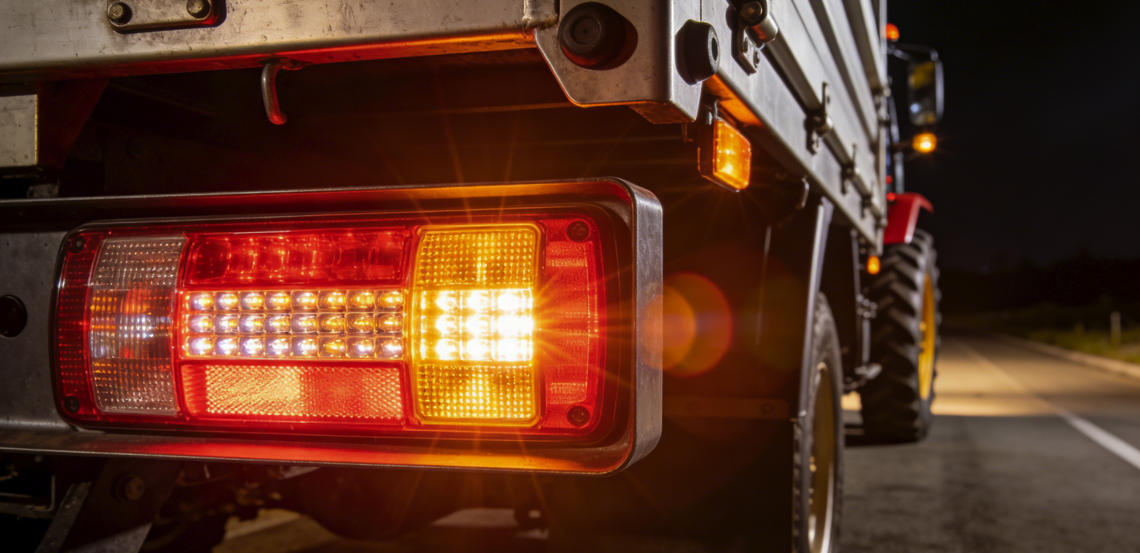
If you've ever driven through a Swedish winter or hauled cargo across Finnish Lapland, you've probably seen it: the flickering turn signal on a trailer ahead, or worse, brake lights that work intermittently when you need them most. Trailer lighting failures aren't just inconvenient in Nordic conditions—they're a genuine safety concern.
But why do these failures happen more frequently in cold climates? And more importantly, what should fleet operators and drivers look for when choosing lights that won't let them down when temperatures drop?
The Cold Reality: What Actually Goes Wrong
Thermal Shock and Material Stress
Nordic winters aren't just cold—they're unpredictable. A trailer might sit at -30°C overnight, then face sudden temperature swings when the engine starts or when driving through varying microclimates. These rapid changes cause materials to expand and contract at different rates, creating mechanical stress at joints, seals, and solder connections .
Over time, this thermal cycling leads to cracks in housings, compromised waterproof seals, and fatigue in electrical connections. The result? Moisture ingress, corrosion, and eventual failure.
Condensation: The Silent Killer
Here's something counterintuitive: cold itself doesn't always kill LED lights. In fact, LEDs often perform better in cold temperatures than traditional bulbs. The real problem comes from condensation.
When a cold trailer light rapidly warms up—say, when you turn on the ignition after a frosty night—moisture can condense on internal components. This creates a conductive path for electricity where it shouldn't be, leading to short circuits and accelerated corrosion . Once moisture gets inside, it's only a matter of time before the light fails.
Vibration Compounded by Cold
Cold makes materials more brittle. Rubber gaskets harden, plastic becomes less flexible, and solder joints become more susceptible to cracking. Combine this with the constant vibration every trailer experiences on rough winter roads, and you have a recipe for mechanical failure .
Electrical System Strain
Cold weather puts extra stress on the entire electrical system. Batteries struggle to deliver full voltage, alternators work harder, and wiring becomes more brittle . Trailer lights that might function adequately in mild conditions can reveal weaknesses when voltage fluctuates or when connections contract in the cold.
Salt and Chemical Exposure
Road salt and de-icing chemicals are harsh on any electrical component. They accelerate corrosion at connection points and can degrade housing materials over time. Without proper sealing and corrosion-resistant materials, trailer lights in Nordic regions face a shortened lifespan .
What Actually Matters: Separating Marketing from Reality
When evaluating trailer lights for cold climates, some specifications matter more than others. Here's what to prioritize:
Temperature Range Specifications
Many LED lights claim to work in "extreme" temperatures, but the actual range matters. Look for products tested across a genuine operational span—from well below freezing to high summer temperatures. A light rated for -45°C to +80°C provides confidence that it won't fail during a January night in northern Norway .
IP Ratings: More Than Just a Number
IP67 certification means a light can withstand temporary immersion in water and is dust-tight. In practice, this matters because it indicates robust sealing against the moisture and condensation issues that plague cold-climate lighting .
Material Quality
High-density aluminum housings offer advantages over plastic in extreme temperatures. Aluminum handles thermal expansion better, provides superior heat dissipation during summer operation, and resists the physical impacts that become more common on icy roads .
Vibration Resistance
Standard LED lights might handle gentle highway driving, but trailers experience constant vibration—especially on Nordic roads that freeze and thaw, creating uneven surfaces. Lights designed with vibration resistance in mind last longer and maintain consistent electrical connections .
EMC Considerations
Electromagnetic compatibility matters more than many realize. In cold weather, electrical systems already operate under stress. Lights with strong EMC ratings (Class 4 or higher) resist interference from other vehicle electronics and don't generate interference themselves—meaning more consistent performance when you need it most.
The Certification Question
EMARK, CE, and ROHS certifications aren't just paperwork—they indicate a product has been tested against established European standards for safety, electromagnetic compatibility, and environmental compliance. For operators running international routes or those who simply want assurance of quality, these certifications provide a baseline of reliability.
A Note on "Smart" Features
There's a trend toward adding connectivity and smart features to vehicle lighting. While these can offer convenience, they also introduce additional points of failure—sensors, communication modules, and complex electronics that may not perform reliably in extreme cold. For critical safety equipment like signal lights, brake lights, and marker lights, simplicity often equals reliability.
What We've Learned from Building Trailer Lights
At FOKE LED, we've spent years developing lighting solutions specifically for demanding environments. Our IATF16949-certified manufacturing facility has produced over 500 different lighting designs, and we've learned a few things along the way:
Design isn't just about appearance—though we do pay attention to aesthetics. It's about how a light handles the daily stresses of real-world operation. Our marker lights, turn signals, and brake lights are designed with the understanding that a beautiful light that fails in February is worse than an ugly one that works.
Thermal management matters year-round. Even in cold climates, LEDs generate heat during operation. Proper heat dissipation extends lifespan and maintains consistent brightness. Our high-density aluminum construction helps manage this effectively.
Customization capability matters for fleet operators. Different trailers have different mounting requirements, voltage systems, and aesthetic needs. The ability to adapt designs without compromising core durability is essential.
Quality control prevents field failures. We track customer feedback closely, and our focus on manufacturing consistency means fewer warranty claims and less downtime for operators.
Practical Recommendations for Nordic Operators
If you're selecting trailer lights for cold-climate operation:
Verify the actual temperature range—not just "winter rated," but specific minimum and maximum operating temperatures.
Check IP ratings—IP67 or higher for the main housing provides meaningful protection.
Inspect connection points—these are often the first failure points in cold weather. Look for sealed connectors and corrosion-resistant materials.
Consider the full electrical system—ensure your lights are compatible with your vehicle's voltage and can handle the fluctuations common in cold-start scenarios.
Don't overlook vibration ratings—especially if you operate on rough or unpaved roads.
Ask about real-world testing—has the manufacturer actually tested these lights in Nordic conditions, or just in a climate-controlled lab?
Conclusion
Trailer light failures in cold Nordic climates aren't inevitable—they're usually the result of products that weren't designed for the specific challenges these environments present. By understanding what actually causes failures (thermal stress, condensation, vibration, and material degradation) and prioritizing specifications that address these issues, operators can significantly reduce downtime and maintenance costs.
The difference between lights that fail in their first winter and those that last for years often comes down to details: the quality of seals, the choice of materials, the thoroughness of testing, and the honesty of temperature ratings.
For fleet operators and individual drivers alike, choosing trailer lights built for reality—not just for marketing brochures—makes the difference between a reliable haul and a roadside repair in freezing conditions.
For more information about trailer lighting solutions designed for extreme conditions, visit www.foke-led.com
Set Sail in Style: Awesome Ambient LED Interior Lighting Ideas for Your Boat
Top Tips for Installing LED Lights on Tractors and Off‑Road Vehicles
Related Article