
EMC Testing: Ensuring Stable and Interference-Free Performance for LED Vehicle Lighting
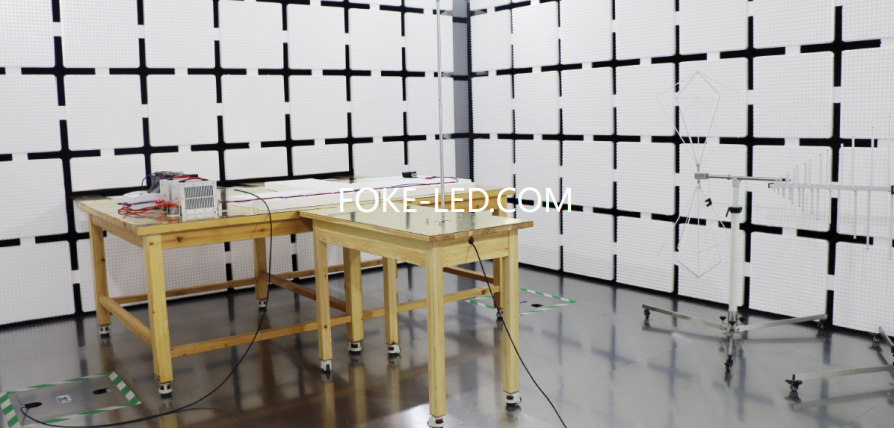
EMC Testing: Ensuring Stable and Interference-Free Performance for LED Vehicle Lighting
In modern vehicles and heavy-duty machinery, electronic systems operate in increasingly complex electromagnetic environments. For LED lighting systems used in agriculture and construction, reliability is not only about brightness and durability—it’s also about electromagnetic compatibility (EMC).
At Your Company Name, our EMC Testing System ensures that every product performs reliably without causing or suffering from electromagnetic interference.
What is EMC Testing?
EMC (Electromagnetic Compatibility) testing evaluates whether an electronic device can function properly in its electromagnetic environment.
It focuses on two key aspects:
- The device must not emit excessive electromagnetic interference (EMI) that could affect other equipment
- The device must withstand external electromagnetic disturbances (EMS) and continue operating normally
In simple terms, EMC testing ensures that a product:
- Does not interfere with others
- Is not easily affected by external interference
It acts as an “electromagnetic health check” for electronic products.
Core Testing Capabilities
EMI (Electromagnetic Interference Testing)
Measures the electromagnetic emissions generated by the device to ensure compliance with regulatory limits.
EMS (Electromagnetic Immunity Testing)
Evaluates the ability of the product to resist external electromagnetic disturbances such as:
- Voltage fluctuations
- Electrostatic discharge (ESD)
- Radiated electromagnetic fields
Importance for LED Work Lights
For LED lighting used in agricultural and construction vehicles, EMC performance is critical because these environments often include:
- Engine ignition systems
- High-power motors
- Communication equipment
Our EMC testing ensures that:
- Lights operate stably without flickering
- Control circuits remain reliable
- No interference is caused to other onboard electronics
Industry Applications and Standards
EMC testing is widely required across multiple industries:
Consumer Electronics
Devices such as smartphones, computers, chargers, and Bluetooth speakers must comply with EMC requirements under certifications like CCC.
Automotive Electronics
Components including ECUs, sensors, and lighting systems must operate reliably under strong electromagnetic interference, following standards such as ISO 11452.
Military and Aerospace
Equipment like radar and communication systems must withstand extreme electromagnetic conditions, including electromagnetic pulses (EMP), under strict standards such as GJB 151B.
Industrial and Medical Equipment
Devices such as inverters and monitoring systems must resist strong interference while avoiding disruption to precision equipment in factories and hospitals.
Why It Matters
Without proper EMC design and testing, even high-quality LED lights can suffer from:
- Flickering or malfunction
- Signal interference
- Reduced reliability in real-world environments
By integrating EMC testing into our development and production process, we ensure:
- Stable and interference-free operation
- Compliance with international standards
- Reliable performance in demanding applications
Light Distribution Testing: Controlling Where the Light Goes
Integrating Sphere Testing: Precision Measurement for High-Performance LED Lighting
Related Article