How LED Warning Tech Evolved from Static Beacons to Brainy Blinkers
How LED Warning Tech Evolved from Static Beacons to Brainy Blinkers
Introduction
Remember when amber warning lights were just… well, amber and warning? Those static blobs of light did the job, but let’s be honest—they were about as exciting as watching paint dry. Fast-forward to today, and LED warning lights are smarter than your average smartphone. At FOKE Lighting, we’ve been at the forefront of this revolution, turning humble LED amber lights into adaptive systems that think, react, and basically run circles around yesterday’s tech. Buckle up—this is the story of light, evolved! ??
Chapter 1: The Stone Age of Static Lights
Once upon a time, truck strobe lights were simple: flip a switch, lights flash. But “simple” meant “not smart.” Static amber lights for trucks worked okay in clear weather, but fog? Rain? Forget about it. They were like a megaphone in a library—loud, but nobody noticed. Enter FOKE’s first-gen LED warning lights, which swapped bulky incandescents for sleek, energy-sipping LEDs. Brighter, longer-lasting, and way cooler-looking. Still, they were stuck on “blink-blink-blink” mode. Baby steps, folks. ??
Chapter 2: The Rise of the Flashing Heroes
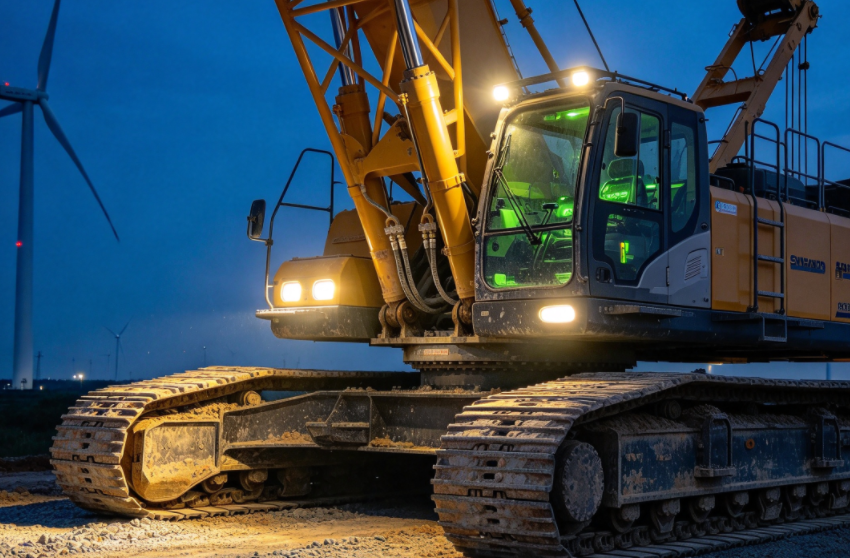
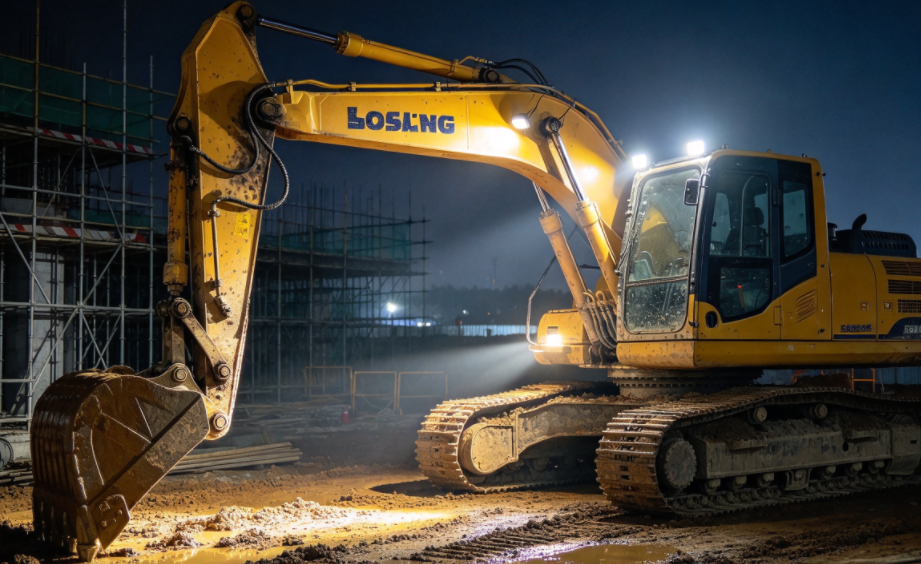
Then came the flashing amber light revolution. Instead of steady beams, lights now pulsed, danced, and even synchronized. FOKE’s vehicle strobe lights added patterns like rotating flashes or alternating sides, grabbing attention like a neon sign in a blackout. Suddenly, construction crews, emergency vehicles, and even farmers (hello, John Deere warning lights!) had lights that screamed, “Hey, look over here!” without saying a word. Safety? Check. Style? Double-check. ??
Chapter 3: Adaptive Systems: The Smart Light Era
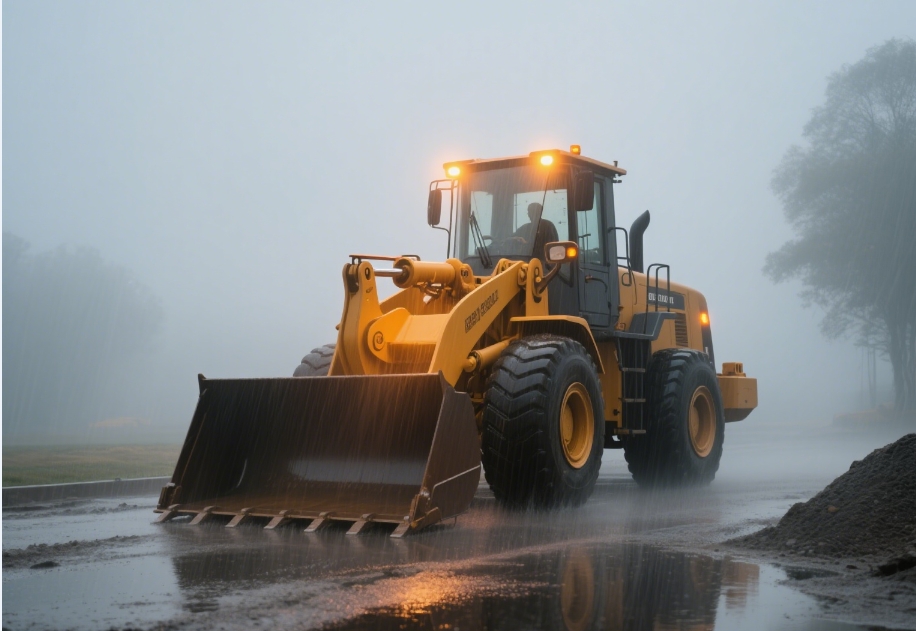
But why stop at patterns? What if lights could think? FOKE’s latest innovation—adaptive flashing systems—does just that. These brainy beacons use sensors to detect weather, traffic, and even time of day, adjusting their flash speed and intensity automatically. Rain? Lights go turbo. Fog? They pulse slower for better visibility. Midnight highway? They dim to avoid blinding oncoming drivers. It’s like having a co-pilot who’s really good at lighting. ?✨
Chapter 4: Beyond Trucks: Lights for Every Job
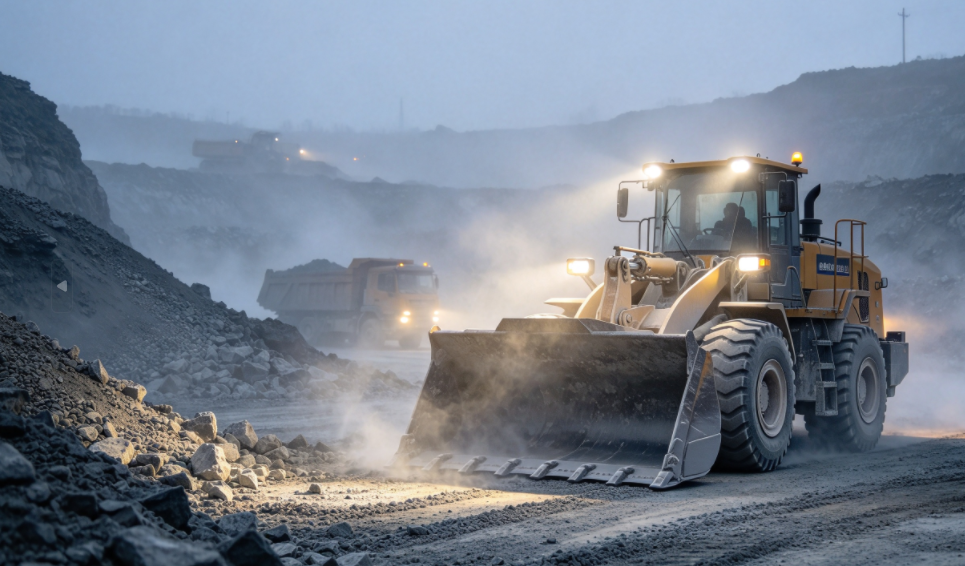
Think adaptive tech is just for big rigs? Think again. FOKE’s systems now power everything from mining vehicles to airport ground crews. Imagine a flashing amber light that syncs with a construction worker’s wearable tech, or a john deere warning light that adjusts to crop density. The future isn’t just bright—it’s adaptive. ?✈️
Why FOKE Lighting Leads the Charge
At FOKE, we don’t just make lights—we build solutions. Our LED amber lights and amber strobe lights come packed with:
Smart sensors that outsmart the weather.
Customizable patterns for any scenario.
Military-grade durability (because even lights need to be tough).
Ready to upgrade from “blinky box” to “brainy beacon”? Dive into FOKE’s adaptive tech at www.foke-led.com. Your lights will thank you. ?
Conclusion
From static blobs to adaptive geniuses, LED warning lights have come a long way. At FOKE, we’re not just chasing brighter—we’re chasing smarter. So next time you see those amber strobe lights dancing in the dark, remember: they’re not just flashing… they’re thinking. And that’s a future worth lighting up. ??
This blog blends storytelling with tech insights, naturally weaving in keywords and FOKE’s expertise. Perfect for engaging tech enthusiasts and industry pros! ??
DIY Customization: Adding LED Light Bars to Your Tractor for Enhanced Visibility
Blue Sprayer Boom Light: Enhancing Visibility and Efficiency in Field Work
Related Article