
LED High Beams vs. Low Beam
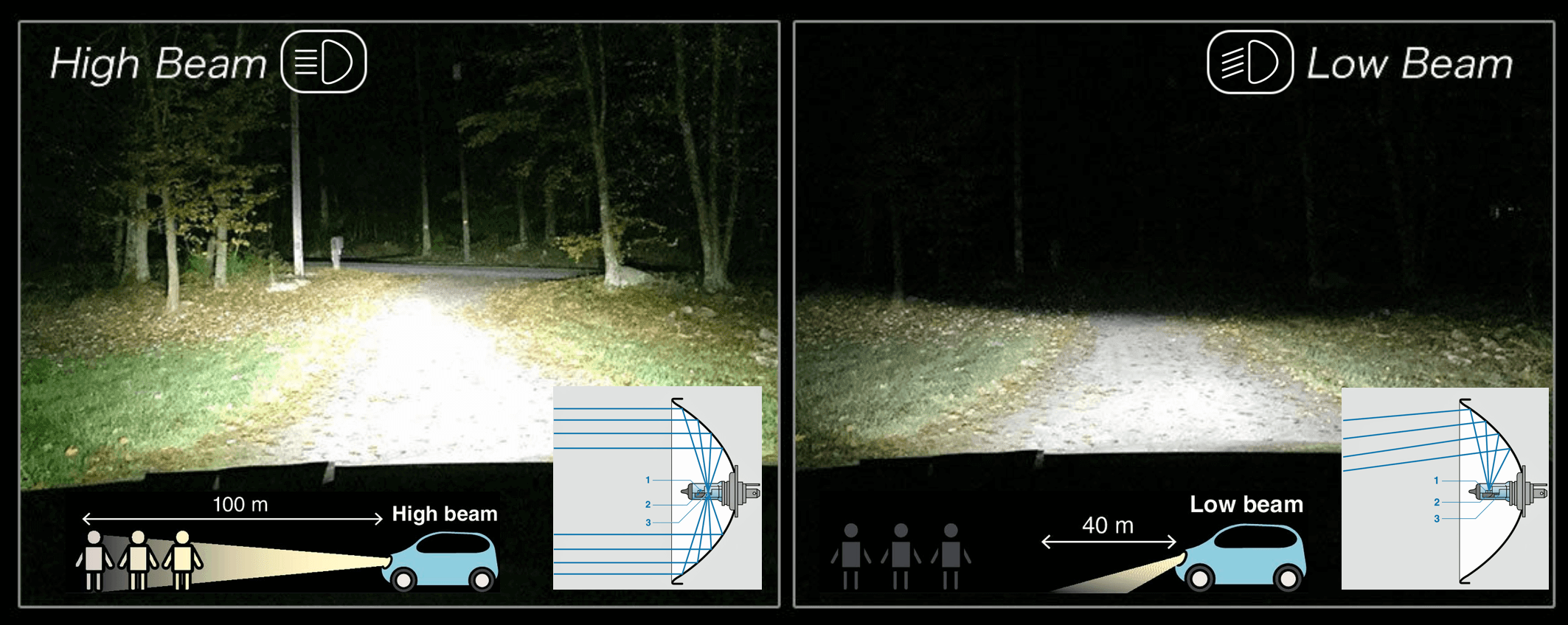
LED High Beams vs. Low Beam
When it comes to upgrading your vehicle's lighting system, choosing between high beams and low beams is crucial for both safety and performance. LED technology has made headlights brighter, more efficient, and longer-lasting, but understanding the specific purposes of high beams and low beams is essential for getting the most out of your vehicle’s lighting system. In this article, we'll break down the differences between these two types of LED headlights and help you decide which is best for your driving needs.
1. LED High Beams
Purpose: High beams, also known as "full beams," are designed to provide maximum illumination when driving in low-visibility situations. These lights project a strong, long-range beam that illuminates the road ahead, allowing you to see further and spot potential hazards at greater distances. High beams are typically used in rural areas, highways, or dark roads where there are no other vehicles nearby.
When to Use High Beams:
On unlit country roads or highways.
In rural areas with little to no street lighting.
When there is no oncoming traffic.
Key Features of LED High Beams:
Intense brightness: LED high beams deliver a powerful light output, providing a clear view of the road even in the darkest conditions.
Longer range: High beams offer a longer and wider field of vision, making them ideal for high-speed driving.
Energy efficiency: Compared to halogen or xenon lights, LED high beams use less energy, which can lead to better fuel efficiency.
However, it's important to remember that high beams can cause glare for oncoming drivers, which is why they should be used cautiously. Always switch to low beams when approaching another vehicle to avoid blinding other drivers.
2. LED Low Beams
Purpose: Low beams, or "dipped beams," are your everyday headlights, designed for regular driving conditions where moderate road illumination is needed. Unlike high beams, low beams are angled downwards, ensuring the light does not shine directly into the eyes of other drivers. This makes low beams ideal for urban driving, city streets, and well-lit highways.
When to Use Low Beams:
At night in urban or suburban areas with street lights.
In fog, rain, or snow for better visibility.
When there is oncoming traffic or when following another vehicle.
Key Features of LED Low Beams:
Reduced glare: LED low beams are designed to illuminate the road without causing discomfort to other drivers, improving road safety for everyone.
Balanced light distribution: Low beams provide a more even spread of light over a shorter distance, which is perfect for city driving.
Instant illumination: LED low beams turn on instantly, ensuring you have full visibility the moment you switch them on.
Low beams are essential for most driving situations, offering just the right amount of light to see clearly without over-illuminating the road.
Which One Should You Choose?
Both high beams and low beams serve important roles in vehicle lighting. Ideally, you should use high beams when driving on dark, empty roads to maximize visibility, and switch to low beams in urban environments or when other vehicles are present. The combination of both ensures you are prepared for various driving conditions.
Upgrade to FOKE LED High Beams and Low Beams
If you're looking to improve your vehicle’s lighting performance, FOKE LED offers high-quality LED headlights for both high beams and low beams. With FOKE, you can enjoy brighter, longer-lasting, and energy-efficient lighting solutions that enhance your driving experience.
Explore our full range of LED high beams and low beams designed for superior performance and durability. Visit www.foke-led.com today and discover why FOKE LED is the best choice for upgrading your car’s headlights.
Drive safer and see clearer with FOKE LED—the ultimate in automotive lighting solutions!
Why Do We Use High-Density/Thick Die-Cast Aluminum Housing for Manufacturing LED auto Lights?
Why Do LED Car Headlights Feature Cut-off Lines for Both High and Low Beams?
Related Article