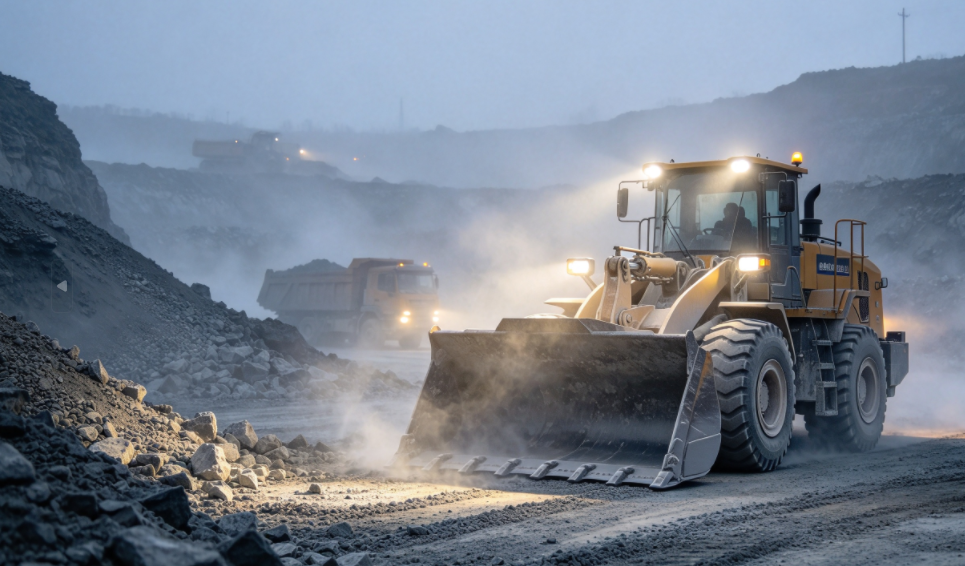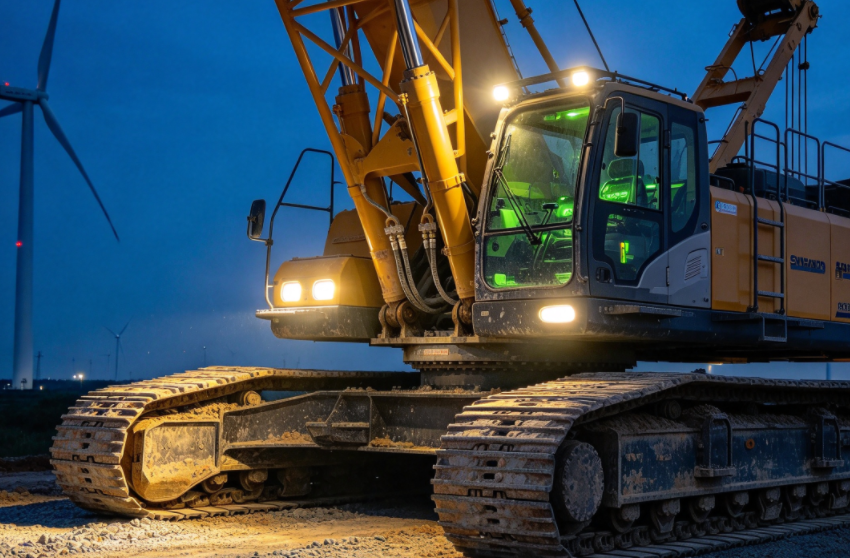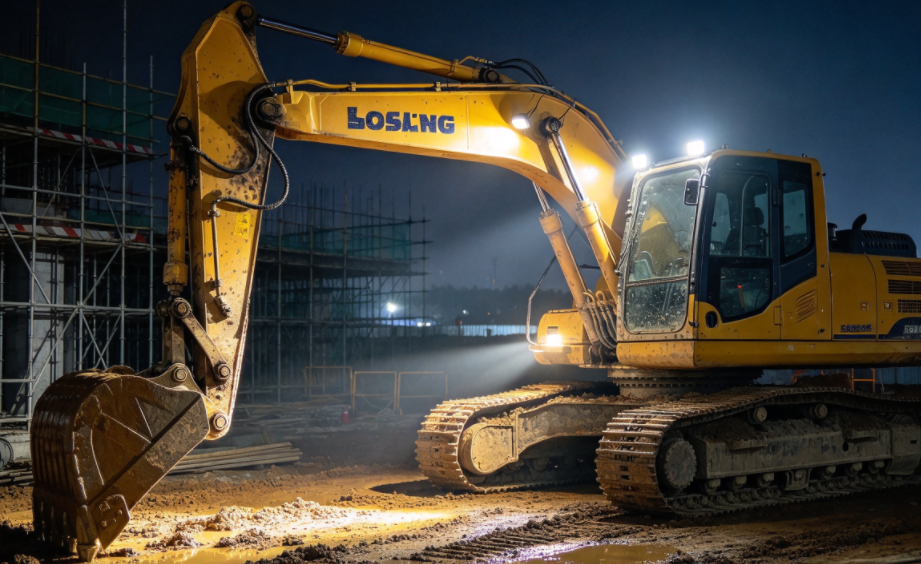
The Climate Characteristics of European Countries and Their Impact on LED Automotive Lights
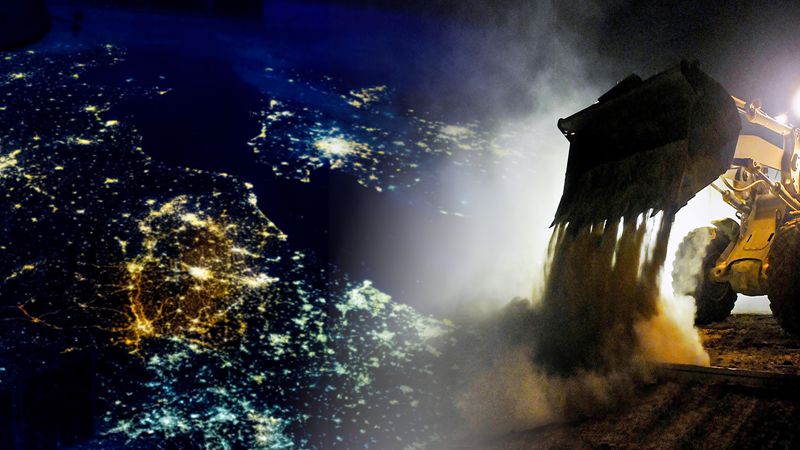
European Climate and Its Challenges for Automotive Lighting
1. Diverse Climate Conditions: Europe experiences a wide range of climatic conditions, from the frigid winters of Scandinavia to the temperate maritime climate of the UK, and the hot, dry summers of Southern Europe. Each of these conditions poses unique challenges for automotive lighting systems.
2. Cold Winters: In Northern and Eastern Europe, temperatures can drop well below freezing. LED automotive lights must withstand these extreme cold conditions without performance degradation. Poor quality lights might become brittle or fail in such environments.
3. Hot Summers: Southern Europe, including countries like Spain, Italy, and Greece, can see summer temperatures soar above 40°C (104°F). LED lights must be capable of maintaining stability and durability in these high temperatures, preventing overheating and ensuring longevity.
4. Humidity and Rain: Western Europe, including the UK, France, and the Netherlands, experiences high humidity and frequent rain. LED automotive lights need to be water-resistant and protected against moisture ingress to function reliably in these wet conditions.
5. Variable Daylight: The varying lengths of day and night across Europe, especially the long nights in the northern regions during winter, require LED lights that can provide consistent and reliable illumination for safe driving.
Impact on LED Automotive Lights
1. Material Quality: High-quality materials are essential for LED lights to endure the diverse climatic conditions of Europe. Materials that can withstand both extreme cold and high heat without degrading ensure that the lights remain functional and reliable.
2. Design and Engineering: Advanced design and engineering are crucial for creating LED lights that can dissipate heat efficiently and resist moisture. Proper sealing techniques and thermal management systems help in maintaining the performance and durability of the lights.
3. Quality Control: Stringent quality control processes are necessary to ensure that LED lights meet the required standards for performance and durability across different climates. Testing in various environmental conditions helps in verifying the reliability of the lights.
Conclusion
The diverse climate conditions across Europe demand high-performance, durable LED automotive lights. Ensuring that LED lights are made from high-quality materials and undergo rigorous quality control can significantly enhance their reliability and effectiveness in varying environmental conditions.
Why Choose FOKE LED Automotive Lights?
FOKE Lighting is one of the most professional manufacturers of LED automotive lights, including work lights and agricultural vehicle lights. Our lights are crafted from premium materials, and our factory is ISO9001 certified, ensuring rigorous production processes and stringent quality control.
FOKE LED automotive lights are designed to perform exceptionally in extreme conditions, from the freezing temperatures of -40°C to the scorching heat of 85°C. Our lights offer superior light patterns and stability, withstanding intense collisions and vibrations. With multiple certifications such as CE, ROHS, EMARK, DOT, and EMC Class 4, FOKE lights ensure unmatched reliability and performance.
Choose FOKE for LED automotive lights that outshine the competition and deliver enduring performance in any European climate. Contact us now!
FOKE Lighting
www.foke-led.com
The Differences Between LED Work Lights and LED Agriculture Lights
The Impact of Thermal Conductivity in LED Aluminum PCBs on Automotive Lighting
Related Article