
Understanding the Difference Between LED Headlights and Driving Lights
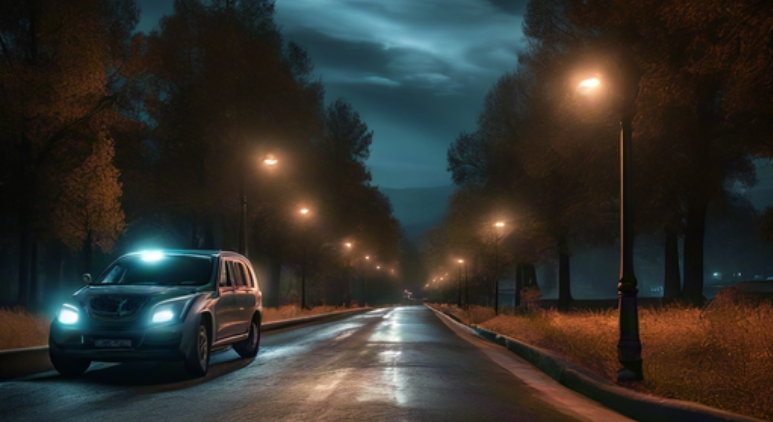
In the realm of automotive lighting, the distinction between LED headlights and driving lights can often be confusing. While both play critical roles in ensuring safety and visibility on the road, they serve different purposes and have distinct characteristics. We're going to to demystify these differences, helping you make informed decisions about your vehicle's lighting setup.
LED Headlights
1. Purpose and Function: LED headlights are the primary source of illumination for driving in low-light conditions, such as nighttime or during inclement weather. They are designed to provide a broad, intense beam that illuminates the road ahead, enhancing visibility and allowing drivers to see obstacles, road signs, and other vehicles.
2. Technology: LED (Light Emitting Diode) headlights use semiconductor technology to produce light. They are known for their energy efficiency, long lifespan, and bright, white light output. Compared to traditional halogen or HID (High-Intensity Discharge) headlights, LEDs consume less power and produce less heat.
3. Beam Pattern: LED headlights typically have a well-defined beam pattern that prevents glare for oncoming traffic. This is achieved through precise engineering and the use of reflectors or lenses to focus the light beam correctly.
4. Advantages:
Energy Efficiency: LEDs consume less power, which is beneficial for the vehicle's electrical system.
Longevity: LED headlights can last up to 25,000 hours, significantly longer than halogen bulbs.
Brightness: They offer superior brightness and a color temperature closer to daylight, improving night driving visibility.
Driving Lights
1. Purpose and Function: Driving lights, also known as auxiliary lights, are additional lights that enhance forward visibility. They are designed to supplement the vehicle's headlights and are typically used in off-road conditions, rural areas, or for high-speed driving where extended visibility is crucial.
2. Technology: Driving lights can also be LED, but they may come in other forms such as halogen or HID. When equipped with LEDs, driving lights benefit from the same advantages of energy efficiency, brightness, and longevity as LED headlights.
3. Beam Pattern: The beam pattern of driving lights is generally longer and narrower compared to headlights. This design helps to focus the light further down the road, illuminating a greater distance and providing advanced warning of obstacles or hazards.
4. Advantages:
Extended Visibility: Driving lights can illuminate a greater distance than standard headlights, which is particularly useful for high-speed driving or off-road adventures.
Versatility: They can be used in conjunction with headlights to improve overall visibility in challenging conditions.
Customizability: Driving lights come in various shapes, sizes, and mounting options, allowing for customization based on specific driving needs and preferences.
Key Differences
1. Primary Use:
LED Headlights: Main source of illumination for everyday driving conditions.
Driving Lights: Supplementary lighting for enhanced visibility in specific scenarios like off-road or high-speed driving.
2. Beam Pattern:
LED Headlights: Broad and focused beam to cover a wide area immediately in front of the vehicle.
Driving Lights: Long, narrow beam designed to reach further distances down the road.
3. Legal and Safety Considerations:
LED Headlights: Must comply with legal regulations regarding beam pattern and brightness to ensure they do not blind oncoming traffic.
Driving Lights: Usage is often regulated and may need to be turned off when facing oncoming traffic to avoid glare.
4. Installation:
LED Headlights: Typically installed in the existing headlight housing of the vehicle.
Driving Lights: Usually mounted on the front bumper, grille, or roof of the vehicle, often requiring additional wiring and switches.
Conclusion
Understanding the difference between LED headlights and driving lights is crucial for optimizing your vehicle's lighting system. While LED headlights provide essential illumination for safe driving under normal conditions, driving lights offer additional visibility for specific scenarios. By choosing the right combination of lights, you can enhance your driving experience and ensure safety on the road, no matter the conditions.
FOKE Lighting
www.foke-led.com
The Impact of Thermal Conductivity in LED Aluminum PCBs on Automotive Lighting
Related Article