Understanding Waterproof Ratings for LED Light Bars and Work Lights

Understanding Waterproof Ratings for LED Light Bars and Work Lights
Ever wondered why some LED light bars survive a monsoon season on a 4x4, while others fail after the first car wash? The secret isn't just in the LEDs; it's in a code—the IP rating. Understanding this code is crucial for choosing waterproof LED lights that won't let you down when water, mud, or dust starts flying. Let's decode what these numbers really mean for your off-road LED lights or tractor headlights.
IP Ratings Decoded: The Two-Digit Defense System
The IP (Ingress Protection) rating, established by the International Electrotechnical Commission (IEC), is a universal standard. It's always written as "IP" followed by two digits (e.g., IP67, IP68, IP69K). Each digit has a specific meaning.
First Digit (Solid Particle Protection): Ranges from 0-6. It indicates protection against solids like dust and debris.
6 is the highest common level, meaning "Dust-tight." No dust can enter the enclosure. This is essential for lights exposed to fine sand or powdery dirt.
Second Digit (Liquid Ingress Protection): Ranges from 0-9K. This is the "waterproof" part. This is where the critical differences lie for LED work lights:
IPX7 (7): Protected against temporary immersion in water (up to 1 meter for 30 minutes). Good for unexpected submersion but not for sustained pressure.
IP68 (8): Protected against continuous immersion in water under conditions specified by the manufacturer (often deeper and longer than IPX7). This is the gold standard for most extreme applications, guaranteeing survival in deep puddles, heavy rain, and prolonged moisture.
IP69K (9K): The ultimate defense. Protected against close-range, high-pressure, high-temperature spray downs. This rating is specifically for equipment that must withstand steam cleaning or aggressive pressure washing, common in agriculture, mining, and industrial cleaning.
Key Takeaway: For most off-road or work lights led applications, IP68 is your reliable workhorse. For equipment that faces regular, aggressive cleaning with high-pressure jets, IP69K is the specialist you need.
Beyond the Rating: Why Build Quality is Your Real Insurance
An IP rating is a tested result, but it's achieved through foundational engineering. A rating is only as good as the product's construction.
The Seal: Achieving a high IP rating requires precision engineering—high-quality silicone gaskets, perfectly machined sealing surfaces, and robust lens-to-housing assembly. This is where manufacturing consistency is key.
The Structure: A housing made of high-density aluminum alloy serves a dual purpose. It acts as a massive heatsink for thermal management and provides the structural integrity to maintain those critical seals against vibration and impact, which is vital for 4x4 lights bouncing over rough terrain.
The Stress Test: True reliability means the light performs after environmental stress. A quality waterproof LED light should operate flawlessly across a wide temperature range (e.g., from frigid -40°C starts to scorching +80°C engine bay heat) without the seals failing or performance dimming.
Making the Right Choice for Your Application
Matching the IP rating to your use case prevents over-engineering or under-protecting.
General Off-Road & Trucks: For 4x4 light bars and auto LED lights facing mud, rain, and river crossings, IP68 is typically the ideal, balanced choice.
Agricultural & Heavy Machinery: Tractor headlights and LED work lights on combines or sprayers need IP69K to survive frequent, high-pressure chemical washdowns.
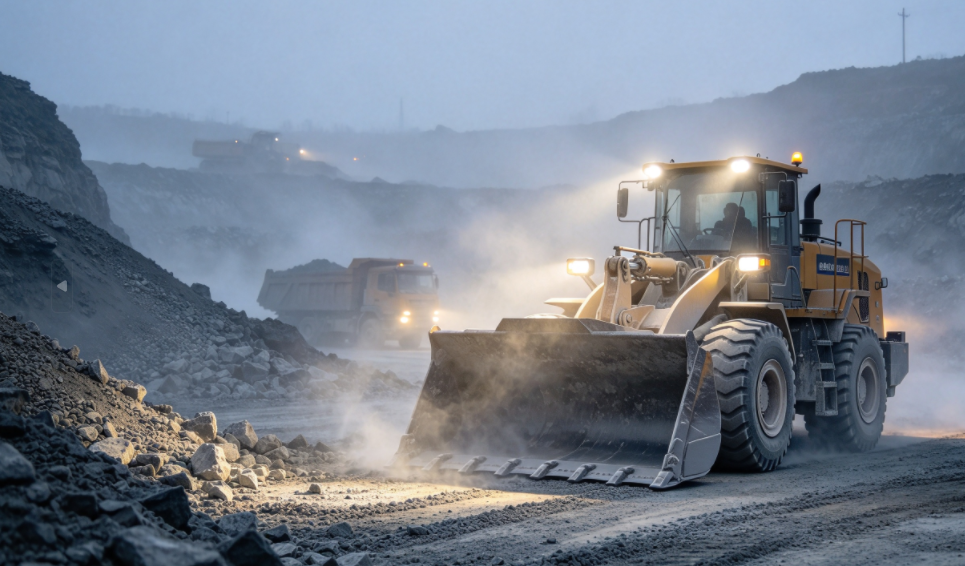
Industrial & Fleet: For work lights on dump trucks, loaders, or in forestry, where equipment is cleaned aggressively, IP69K ensures longevity. For lights in less exposed positions, IP68 may suffice.
Pro Tip: Always look for lights that carry relevant safety certifications like CE, RoHS, and E-mark. These indicate compliance with broader electrical safety and electromagnetic interference (EMC) standards, ensuring the light is not only sealed but also safe and reliable for your vehicle's electrical system.
The Manufacturer's Role: Consistency is Key
An IP rating is a snapshot from a lab test. The question is: does every unit leaving the factory meet that standard? This is where the manufacturer's process matters.
A Foundation of Quality: Production in an IATF 16949 certified factory means the manufacturer adheres to the stringent, process-oriented quality management system of the automotive industry. This systematic approach is a primary reason some manufacturers can boast very few customer complaints—it ensures consistency at scale.
Engineering Over Assembly: A company with strong in-house R&D capability—one that designs its own products—has direct control over how the seals are engineered, how the thermal paths are managed, and how to achieve durability against vibration. This control translates into reliable performance that lives up to the printed IP code, batch after batch.
Don't Just See the Rating, Understand the Engineering
Choosing truly waterproof LED lights means looking behind the "IP68" or "IP69K" label. It's about trusting the materials, the manufacturing process, and the engineering rigor that makes that rating a real-world guarantee, not just a marketing promise.
At Foke LED, we build our OEM LED lights to deliver on their ratings. By focusing on robust design principles—like high-density alloy housings, wide-temperature-range components, and precision sealing—and backing it with a certified manufacturing process, we ensure our LED light bars and work lights provide the reliable, durable illumination your application demands.
To explore a range of lights built to a standard, not just to a price, visit us at www.foke-led.com.
RGB LED Interior Lights for Boats: Mood and Style
Understanding the Differences Between Flood Lights and Spot Lights in LED Systems
Related Article